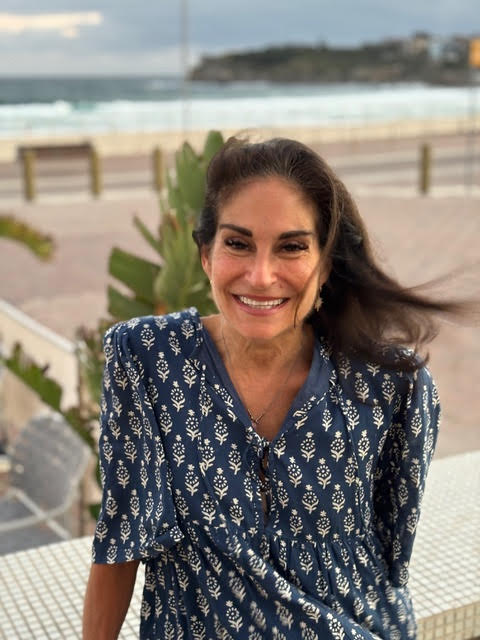
What do connections have to do with success? Everything, according to Susan McPherson, founder and CEO of McPherson Strategies, a communications consultancy focused on the intersection of brands and social impact. If you want to be successful, it helps to build a strong professional network of colleagues, allies, and friends who you can call on when you need help. This network is willing to make introductions, act as sounding boards, or even as actual board members (if you want to launch a company).
There is actually a number of contacts thought to be optimal in your network, according to accepted psychology. A network of 150 contacts in your professional network is optimal, according to accepted science. This is the maximum number your brain can cognitively keep track of, in order to best be able to help each other and keep in touch with on a regular basis. Beyond that and you lose track of who is where and what is up.
If you want to hear more about why 150 is the magic number, read about the famous British anthropologist and evolutionary psychologist, Robin Dunbar, creator of Dunbar’s number. If you want to know how to build your professional network, read the advice here from one of the best networkers we know. Susan McPherson, who is a booster and collaborator, a leader and network creator, and whose advice we sought out on the topic of work advice that can help anyone build their network.
How to Build Your Professional Network
Your professional network becomes your extended work family. These contacts are friends and colleagues who you can call on when you have questions, or need advice, or your want to make a change (whether you are hiring or getting hired.)
How to start? Read this sound advice on the importance of building your professional network and making connections from our friend Susan McPherson. Susan is a serial connector, angel investor, corporate responsibility expert and the author of The Lost Art of Connecting (McGraw Hill).
McPherson makes it her business to connect with others, especially women, and explains the importance of keeping a strong professional network. We asked her five questions about how to build a network and what advice she can share to anyone who wants to be successful in business today.

- What advice would you give your younger self?
Follow your gut and don’t worry what others think of you. So much of my 20s and 30s were consumed with ridiculous stressing over meaningless issues. The good news is that with age you can move beyond such things (if I only knew that then.) - Who was your inspiration and why?
My late mom, who was the original serial connector, used the rotary phone, her manual typewriter and her Volkswagen Beetle to deeply connect with colleagues, friends and journalists. She was a PR director for various public TV stations. Tragically, my mother was killed in a hotel fire on New Year’s Eve, when I had just turned 22 in 1986.
She and my father (who was a professor at a women’s college for 39 years) taught me that EVERY single person, no matter the position they hold, the work they conduct, the place they grew up is deserving of our kindness, our compassion, our care and our curiosity. To this day, I live and manage my team by that mantra. We are all unique and we all have superpowers. - Your excellent book, The Lost Art of Connecting, is subtitled, “The Gather, Ask, Do Method for Building Meaningful Business Relationships.” Can you please explain exactly what that means? Certainly! By “Gather” I mean instead of waiting for the perfect networking opportunity to come to you, think outside the box and create your own opportunity. Host your own dinner party, join a local meet-up group, or volunteer at your neighborhood food pantry.
When I say “Ask” it means Instead of leading with our own rehearsed elevator pitches asking for help, ask to help, opening the door to share resources, experience, contacts, and perspectives that add diversity to your own vision.
When I tell people “Do” it means, turn new connections into meaningful relationships by taking these newly formed relationships deeper. Follow through on the promises you made and keep in touch. Woven together with helpful tips and useful advice on making the most out of every step. - What advice do you give to someone who says, “I could never do that?” First I ask why? Why are they feeling insecure? Why are they feeling stymied? And then I go on to showcase others who have overcome challenges to their success. I remind my audience: Nothing has to be done solo, and that there are people out in the world who actually want to help and support you. Truly, everything takes a village, and it’s a vitally important reminder to ask others for help.
- How do you stay motivated to not sit back and say: “ I did it. I’m done!”
OMG, I could never do that. In fact, now that I’m zeroing in on 60, I’m stepping up at every chance I can to do more, enjoy more and experience more. - Do you have a mantra or words you live by?
Sounds trite and simple, but lead with kindness. Yes, you will still have challenges, you will still face hurdles, but you are setting an example for others to follow. And for goodness sake, we all need more kindness in this world.

Susan has over 30 years of experience in marketing, public relations, and sustainability communications, and speaks regularly at industry events. She is the author of The Lost Art of Connecting: The Gather, Ask, Do Method for Building Meaningful Business Relationships (McGraw-Hill). and contributes to the Harvard Business Review, Fast Company, and Forbes. She has appeared on NPR, CNN, and been quoted in The New Yorker, New York Magazine and The Los Angeles Times.
You can follow her on Instagram, Threads and Twitter @SusanMcP1
As well as on Linked In: https://www.linkedin.com/in/susanmcpherson/
And on TikTok: https://www.tiktok.com/@susanmcpherson285




Leave a Reply